

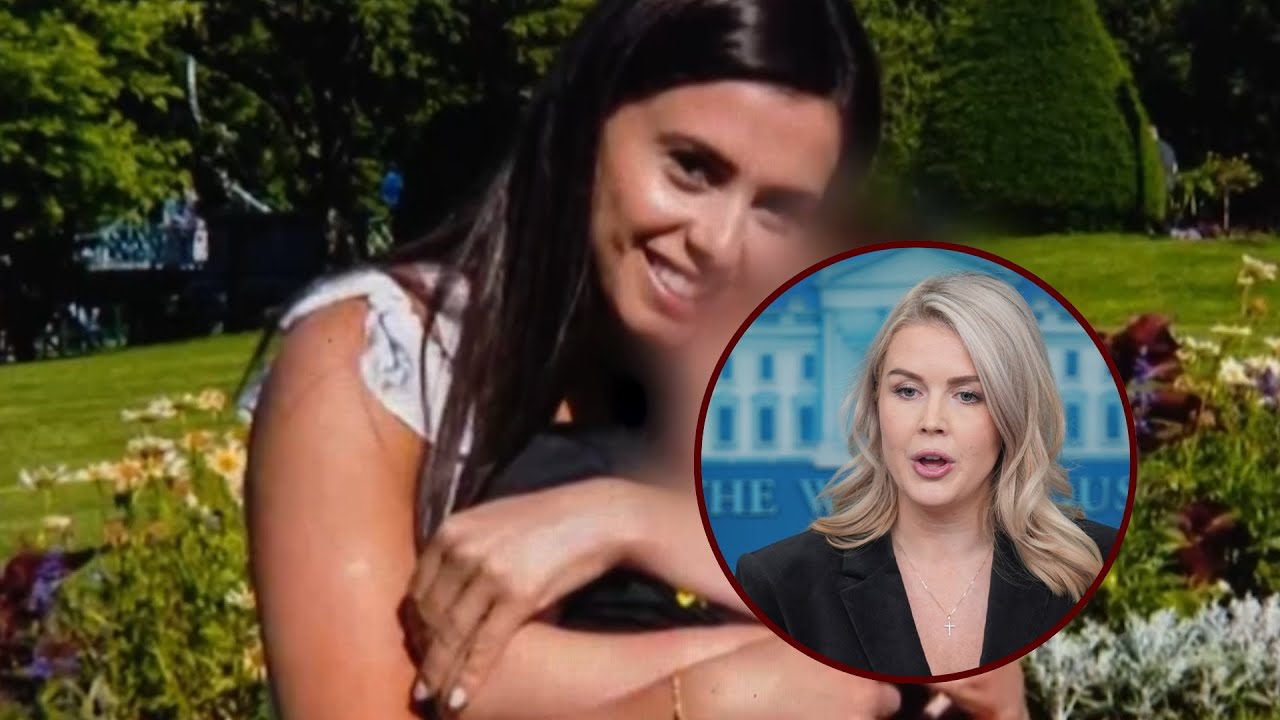
A woman with a family connection to White House Press Secretary Karoline Leavitt has been arrested by U.S. Immigration and Customs Enforcement in Revere, Massachusetts, drawing national attention and renewing debate over federal immigration enforcement. The woman, identified as Bruna Ferreira, is the mother of Leavitt’s nephew and has lived in the United States for many years.
According to officials, Ferreira was detained during a traffic stop while driving to pick up her 11-year-old son. ICE agents took her into custody on November 12, citing immigration violations tied to a long-expired visa. Following her arrest, she was transported to a detention facility in Louisiana, thousands of miles from her family, prompting emotional pleas from relatives and advocates who condemned the abrupt separation.
Ferreira’s attorney, Todd Pomerleau, argued that she has deep ties to the United States and had been actively working toward legal residency. He said she first came to the country as a young child, later obtained protections under DACA, and had an active green card application in progress. The family also disputed ICE’s characterization of her as a “criminal alien,” insisting she has no adult criminal convictions and has lived a stable, law-abiding life.
However, ICE officials maintain that Ferreira overstayed a tourist visa and has a past arrest on record — a detail her legal team says was misinterpreted to justify aggressive enforcement. The case quickly became a flashpoint because of Ferreira’s connection to Leavitt, who is a visible figure in the White House and a close ally of President Trump. While the two women have reportedly not spoken in many years, the arrest fueled speculation about whether political optics played a role in how the situation unfolded.
Community leaders and immigrant-rights advocates denounced the arrest as unnecessarily harsh, especially given Ferreira’s role as the primary caretaker for her young son. They criticized the practice of relocating detainees to faraway facilities, which they say makes it harder for families to stay connected and for lawyers to provide effective representation.
In a significant development, an immigration judge later granted Ferreira a $1,500 bond, allowing her temporary release while she fights her deportation case. Her attorney successfully argued that she posed no risk to the public and had strong family ties in the region. Relatives expressed relief at the decision, calling it a “lifeline” that would allow her to reunite with her son for the holidays.
The White House has declined to comment on the matter. Officials said only that Leavitt has had no recent relationship with Ferreira and learned of the situation through news reports. Despite that, the case continues to generate political discussion, particularly about how immigration laws are enforced under the current administration.
As legal proceedings move forward, Ferreira’s future in the United States remains uncertain. Her release marks only a temporary pause in a complicated immigration battle — one now unfolding under national scrutiny.
Watch video below :


