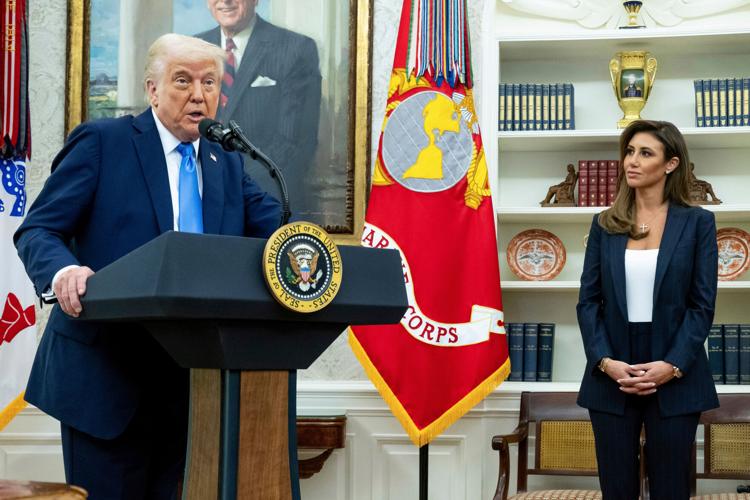
Alina Habba, a former personal attorney to Donald Trump and one of his most outspoken legal defenders, has resigned from her position as the top federal prosecutor in New Jersey. Her departure comes after a federal appeals court ruled that her appointment as U.S. Attorney violated the Federal Vacancies Reform Act, effectively disqualifying her from continuing in the role.
Habba, who was appointed earlier in 2025, had been serving in an interim capacity while the administration attempted to secure her position without Senate confirmation. Under federal law, interim U.S. Attorneys may only serve for a limited window unless formally confirmed or extended through lawful judicial action. According to the court, neither of those conditions were met in Habba’s case.
In her resignation letter, Habba criticized the ruling but said she would step aside to avoid further disruption within the Justice Department. She described her departure as an act of “respect for the institution,” while insisting that the court’s decision was flawed and politically influenced. Habba emphasized that following the ruling did not equate to conceding wrongdoing, and she pledged to continue serving the administration in a new capacity.
The Justice Department confirmed that Habba will transition into a senior advisory role, working directly under Attorney General Pam Bondi. While she will no longer oversee prosecutions in New Jersey, she is expected to remain involved in national policy strategy and federal legal operations.
Her resignation marks the end of one of the most contentious interim tenures in recent department history. Critics had long questioned her suitability for the role, noting that she lacked prosecutorial experience and had built her professional brand around defending Trump in high-profile civil and political cases. Legal experts also warned that appointing a close political ally without Senate approval risked undermining public confidence in the federal justice system.
Supporters, however, argue that Habba brought strong leadership, loyalty, and a commitment to overhauling what they viewed as entrenched bureaucratic resistance. They contend that the court’s ruling reflects an outdated interpretation of federal vacancies law and unnecessarily restricts the executive branch’s ability to appoint qualified candidates.
The leadership vacuum created by Habba’s exit will temporarily be filled by a team of senior career prosecutors until a new nominee is selected and submitted for Senate confirmation. Meanwhile, several cases initiated under her leadership will continue moving forward, though legal analysts say her removal could complicate ongoing litigation strategies.
Habba’s resignation also intensifies the ongoing national debate over the limits of presidential appointment power, especially within the Justice Department. The ruling and its aftermath are expected to influence future administrations and may lead to attempts to modernize appointment rules.
Although her time as U.S. Attorney has ended, Habba’s role within the administration continues — and her departure only adds fuel to an already heated political and legal landscape.
Watch video below :