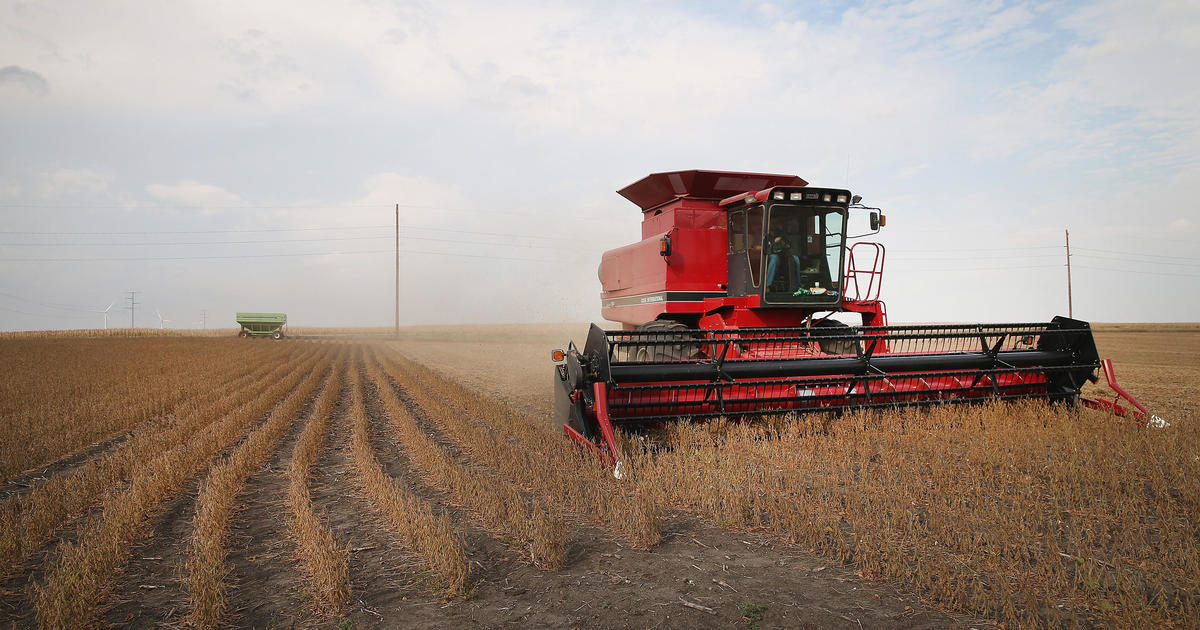
The agricultural backbone of America may be getting a lifeline. On December 8, 2025, Donald Trump announced a sweeping $12 billion aid package to support U.S. farmers reeling from price drops, trade disruptions and soaring costs. The aid — hailed as a “bridge” payment to sustain farms through a rough economic season — underscores the gravity of pressure on the nation’s farm belt.
Under the new plan, roughly $11 billion will flow directly to row-crop producers — those growing staples like corn, soybeans, cotton, rice and wheat — through a newly created program known as the Farmer Bridge Assistance. The remaining $1 billion will go to specialty-crop farmers, giving a boost to those cultivating fruits, vegetables and other less-common harvests. Government officials say the one-time payments aim to compensate growers for lost sales, higher input costs, and weakened overseas demand.
The timing is critical. Many farmers have suffered under a string of prohibitive tariffs and retaliatory measures from trading partners, particularly in export-dependent sectors like soybeans. The abrupt fluctuations in demand — coupled with rising fertilizer and equipment prices — have eroded profit margins and left thousands teetering on the brink of debt.
At a White House roundtable attended by farm-state lawmakers, senior agriculture officials, and everyday growers, Trump pledged that the funds would arrive “in early 2026” — allowing farmers to plan for the next planting season without fear of financial collapse.
For many farmers, the news came as a relief. “With this bridge payment, we’ll be able to farm another year,” said one Iowa farmer, echoing a sentiment shared widely across the heartland. Still, the aid package has triggered heated debate in Washington.
Supporters argue the rescue demonstrates that the administration hears the calls of rural America and is prepared to shield farmers from a market upended by trade policies beyond their control. But critics — including agricultural economists and some lawmakers — warn the move is at best a short-term bandaid, not a robust fix for structural problems plaguing U.S. agriculture. They assert that unless trade relationships stabilize and input costs moderate, recurring bailouts won’t deliver long-term stability.
The new relief also rekindles a familiar political dynamic: farm bailouts following trade-driven crises. Indeed, during his previous administration, Trump authorized similar aid to farmers — a pattern that critics say underscores unpredictable agricultural policy and overreliance on government support when markets wobble.
Whether the $12 billion rescue package will prove a lifeline or a temporary patch remains to be seen. For now, though, thousands of farmers who faced mounting costs, declining crop prices, and uncertain export markets may find a brief respite — and perhaps, a chance to survive until better market conditions return.
Watch video below :
:max_bytes(150000):strip_icc():focal(749x0:751x2)/Karoline-Leavitt-Expecting-Baby-No-2-122625-3ee9c9c5c0004741808a746cca98b9b2.jpg?w=350&resize=350,220&ssl=1 "White House Press Secretary Karoline Leavitt Announces Pregnancy, Expecting Baby Girl")





:max_bytes(150000):strip_icc():focal(749x0:751x2)/Karoline-Leavitt-Expecting-Baby-No-2-122625-3ee9c9c5c0004741808a746cca98b9b2.jpg?w=180&resize=180,130&ssl=1 "White House Press Secretary Karoline Leavitt Announces Pregnancy, Expecting Baby Girl")