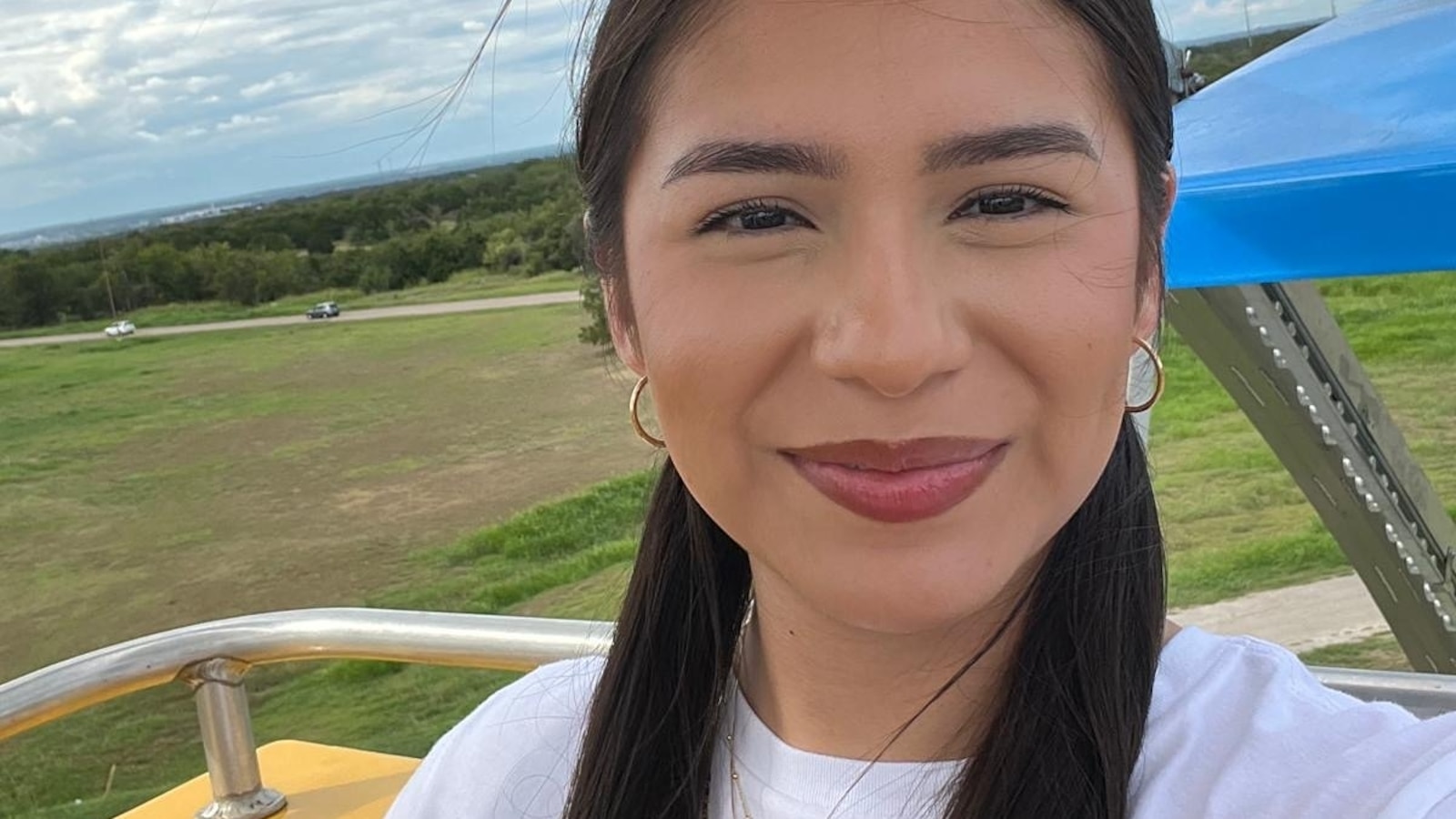
A Texas college student has been deported from Boston despite a federal judge’s explicit order blocking his removal, igniting a wave of legal challenges, public criticism, and demands for accountability from immigration authorities. The incident has intensified national debate over the limits of federal power, due process protections, and the handling of deportation cases involving young immigrants pursuing higher education.
The student, whose name has not yet been publicly released due to privacy concerns, was reportedly detained by immigration enforcement officials earlier this month. According to his legal team, the student had been complying with all court requirements and was awaiting further hearings related to his immigration status. However, despite the pending case, officials transferred him to Logan International Airport and placed him on a flight out of the United States — a move his attorneys argue was not only unlawful but a direct violation of the judge’s temporary restraining order.
Witnesses say the student pleaded with officers to contact his lawyers before the deportation was carried out, but those requests were denied. His legal team learned of the removal only after the flight had departed, prompting immediate emergency filings and public statements condemning what they describe as a “flagrant disregard for judicial authority.”
Immigration officials have yet to provide a detailed explanation for the decision. A brief statement from the agency described the removal as “procedurally appropriate,” though it did not address why the court order was ignored. Legal experts say that if the reports are accurate, the deportation could constitute a serious breach of federal law, potentially triggering disciplinary actions or an investigation into possible misconduct.
The student’s attorneys argue that the deportation not only violated legal protections but also jeopardized his future, education, and safety. They are now working to file motions seeking his immediate return to the United States, citing past cases in which individuals were ordered back into the country after wrongful removals. “This is not a clerical error,” one attorney said. “This is a direct violation of a federal court order, and it demands accountability at the highest level.”
Civil rights groups, immigration advocates, and student organizations across Texas and Massachusetts have expressed outrage over the case. Many argue that it highlights ongoing concerns over inconsistent enforcement practices and a lack of oversight in deportation proceedings. Protests began outside the federal courthouse in Boston shortly after the news broke, with demonstrators calling for transparency and reforms to prevent similar incidents.
The case has also drawn attention on college campuses, where administrators emphasize the need to protect students navigating complex immigration processes. Several universities issued statements reaffirming their commitment to supporting undocumented and international students, urging federal authorities to respect legal protections and due process.
As legal motions move forward, the student remains outside the United States, unable to attend classes, meet with attorneys in person, or access university resources. His legal team says they will continue fighting until he is safely returned, while lawmakers are calling for congressional inquiries into how such a violation could occur.
The controversy surrounding the deportation is expected to grow, with analysts predicting it may become a defining moment in ongoing debates about immigration enforcement and judicial authority in the United States.
Watch video below :
:max_bytes(150000):strip_icc():focal(749x0:751x2)/Karoline-Leavitt-Expecting-Baby-No-2-122625-3ee9c9c5c0004741808a746cca98b9b2.jpg?w=350&resize=350,220&ssl=1 "White House Press Secretary Karoline Leavitt Announces Pregnancy, Expecting Baby Girl")




:max_bytes(150000):strip_icc():focal(749x0:751x2)/Karoline-Leavitt-Expecting-Baby-No-2-122625-3ee9c9c5c0004741808a746cca98b9b2.jpg?w=180&resize=180,130&ssl=1 "White House Press Secretary Karoline Leavitt Announces Pregnancy, Expecting Baby Girl")