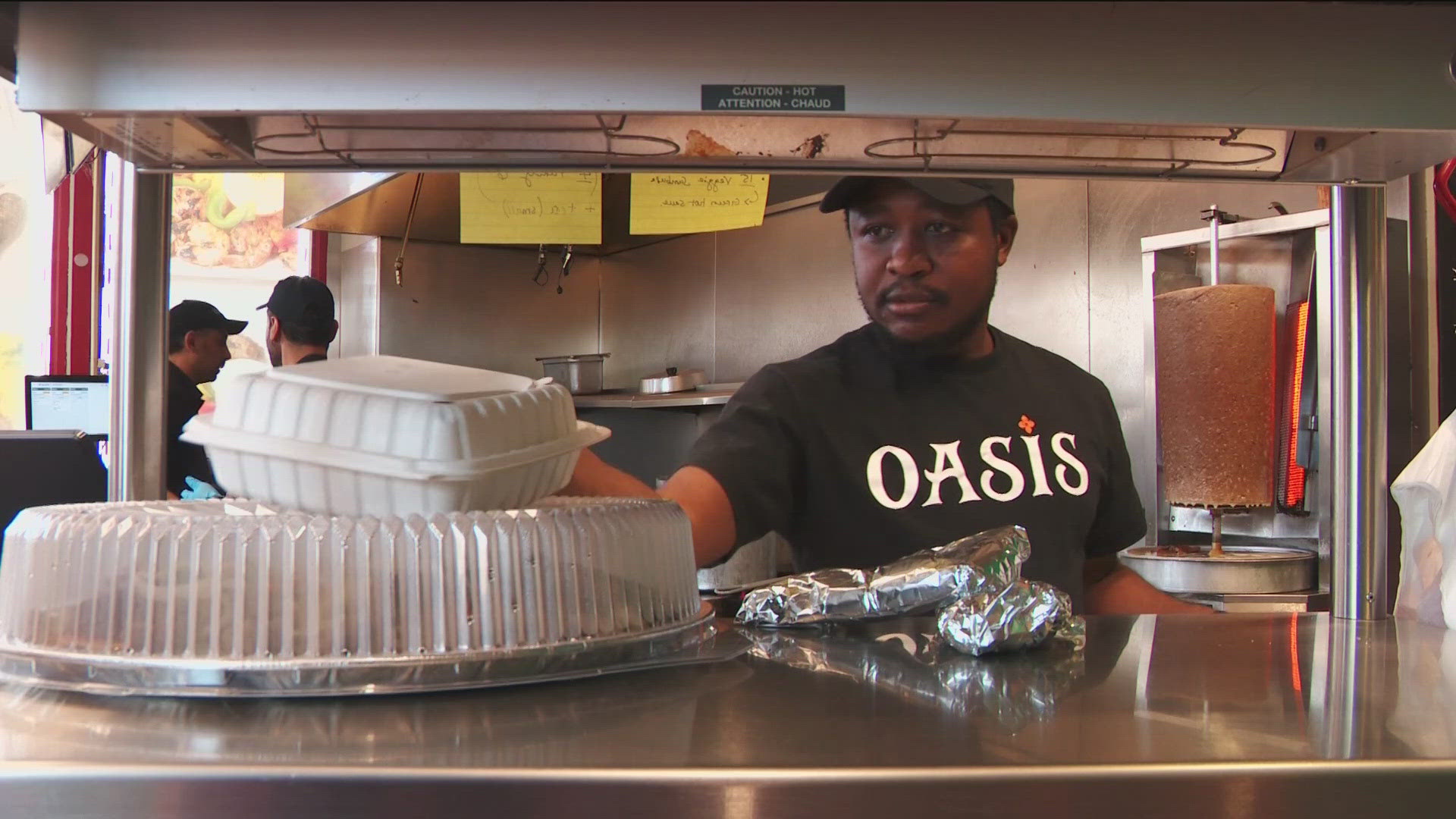
Across Minneapolis and other Somali-American communities in the Midwest, a growing sense of fear and confusion is unfolding as President Donald Trump intensifies his rhetoric against Somali immigrants while federal agents ramp up enforcement operations. For many Somali Americans — including those who supported Trump in past elections — the president’s recent statements and the surge of ICE activity have created a moment of reckoning that feels both personal and painful.
Tensions spiked after Trump publicly criticized Somali immigrants, accusing the community of bringing crime, draining local resources, and influencing U.S. politics in ways he described as “dangerous.” These remarks, delivered in characteristic blunt fashion, were amplified across media platforms and quickly generated backlash. For many Somali Trump supporters, the president’s comments felt like a direct attack on their identity — one they did not expect from a leader they voted for.
Shortly afterward, reports emerged of planned ICE operations in the Minneapolis–St. Paul area, home to the largest Somali population in the United States. Although authorities have not disclosed full details, local officials and community advocates confirmed that federal agents have already conducted targeted enforcement in neighborhoods where Somalis live and work. What began as isolated incidents has escalated into a climate where many residents fear leaving their homes, even those who are U.S. citizens or long-term legal residents.
Faith leaders, local activists, and civil-rights organizations have mobilized quickly. Mosques and community centers have held emergency meetings, legal-rights workshops, and mental-health support sessions as anxiety grows among families. Religious leaders describe the mood as “deeply shaken” — noting that elders, students, business owners, and even second-generation Somali Americans now feel scrutinized in their own city.
Local government officials have also attempted to reassure residents. City leaders in Minneapolis emphasized that they will not assist federal immigration enforcement, reiterating that local police are prohibited from participating in civil-immigration raids. Despite these statements, many Somali Americans remain unconvinced, arguing that fear is rooted not only in policy but in the president’s powerful platform — and the possibility that federal actions will intensify.
For Somali Trump supporters, the emotional conflict is acute. Some backed Trump because they believed in tough border control, economic conservatism, or national-security policies. But now, they find themselves grappling with a painful reality: the same administration they supported is singling out their community. Several individuals interviewed by local media described feelings of betrayal, saying they never imagined being targeted under the banner of “law and order.”
Meanwhile, public demonstrations have grown. Protesters — Somali and non-Somali alike — are condemning what they see as discriminatory rhetoric that stigmatizes an entire immigrant population. Activists warn that such language fuels xenophobia, fractures community trust, and may embolden future crackdowns.
As ICE operations continue and Trump’s remarks reverberate nationwide, Somali Americans are left navigating a complicated landscape of loyalty, fear, and identity. Whether the community can rebuild trust in political institutions — or whether these events will leave lasting scars — remains an open and deeply consequential question.
Watch video below :
:max_bytes(150000):strip_icc():focal(749x0:751x2)/Karoline-Leavitt-Expecting-Baby-No-2-122625-3ee9c9c5c0004741808a746cca98b9b2.jpg?w=350&resize=350,220&ssl=1 "White House Press Secretary Karoline Leavitt Announces Pregnancy, Expecting Baby Girl")



:max_bytes(150000):strip_icc():focal(749x0:751x2)/Karoline-Leavitt-Expecting-Baby-No-2-122625-3ee9c9c5c0004741808a746cca98b9b2.jpg?w=180&resize=180,130&ssl=1 "White House Press Secretary Karoline Leavitt Announces Pregnancy, Expecting Baby Girl")