

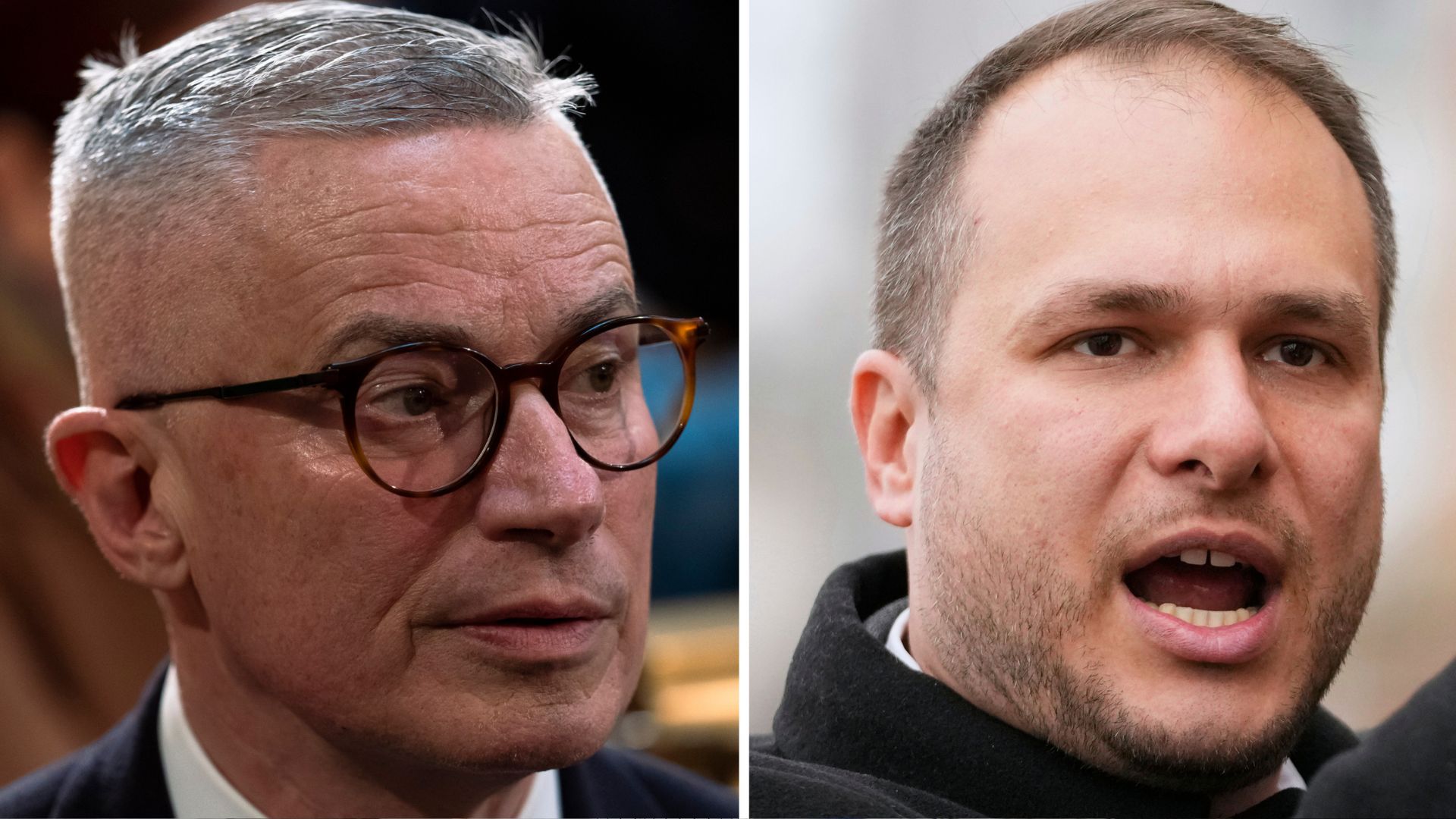
The heated political showdown between James Solomon and Jim McGreevey has officially concluded, marking one of the most dramatic and closely watched mayoral runoffs in Jersey City history. In a decisive finish, Solomon captured nearly 69% of the vote, ending McGreevey’s highly publicized bid for a political comeback. This election not only reshapes the city’s leadership but also signals a broader shift in voter priorities across New Jersey’s second-largest municipality.
The runoff followed a crowded November election featuring seven candidates, none of whom secured the majority required for an outright victory. Solomon, a two-term reform-focused council member, entered the runoff with a modest lead. McGreevey, a former New Jersey governor attempting a return to public office after nearly two decades, positioned himself as an experienced administrator ready to guide the city’s next era. What followed was a campaign defined by ideological contrasts, policy clashes, and a strong public demand for authenticity and change.
Solomon’s victory highlights a growing preference for progressive leadership, transparent governance, and policies centered on everyday residents rather than political insiders. His campaign focused heavily on affordable housing, tenant protections, public safety reform, and accountability in development deals—topics that have dominated Jersey City’s public discourse for years. Solomon pledged to take firm action on rising housing costs, calling it “the defining challenge of the city’s future.”
McGreevey’s campaign emphasized experience, stability, and a return to traditional administrative expertise. Despite gaining substantial support from established political networks and donor groups, he struggled to overcome lingering public skepticism tied to past controversies. The runoff became widely viewed not only as a contest for the mayor’s office but also as a referendum on the future direction of Jersey City politics—grassroots reform versus establishment influence.
Solomon’s resounding win signals the electorate’s clear desire for a new political era. His supporters celebrated the victory as a step toward building a more equitable, community-driven city. Experts note that his leadership could influence regional trends, as other urban centers confront similar challenges: soaring housing costs, rapid development, and the need for modernized, transparent governance.
As Solomon prepares to take office in January 2026, he faces significant expectations. Jersey City is undergoing rapid demographic, economic, and infrastructural transformation. The new mayor will need to balance growth with livability, attract investment while protecting residents, and restore trust in public institutions. Early statements from Solomon’s team emphasize collaboration, open communication, and an administrative style focused on results rather than political rhetoric.
Meanwhile, McGreevey’s defeat marks a definitive close to a long, complex chapter in New Jersey politics. Though he ran a disciplined and well-funded campaign, voters ultimately favored a forward-looking vision over a return to familiar political figures.
With a bold mandate and energized supporters, James Solomon now steps into one of the most influential mayoral roles in the state—promising a fresh start, a transparent government, and a city shaped for all its residents.
Watch video below :


