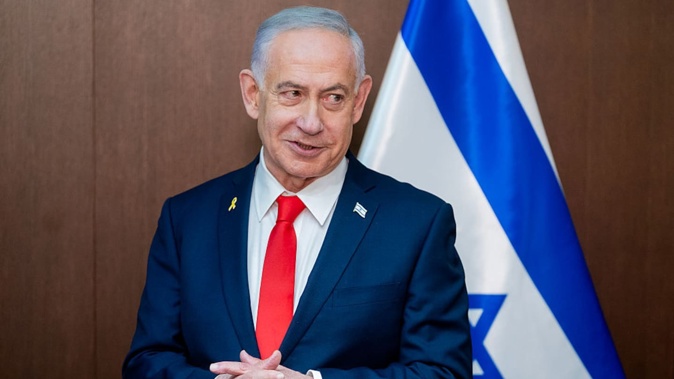
Israeli Prime Minister Benjamin Netanyahu has formally requested a pardon in connection with a high-profile corruption case, in which he faces multiple charges including bribery, fraud, and breach of trust. The announcement has reignited intense debate over political accountability and the independence of Israel’s judicial system.
Netanyahu, who has been in office for over a decade, faces scrutiny for allegedly engaging in quid pro quo deals with business leaders and media outlets. Prosecutors claim that he leveraged his position to secure favorable media coverage and personal benefits, a pattern that has prompted multiple indictments.
In his pardon request, Netanyahu’s legal team argues that the Prime Minister’s service to the state and the potential national impact of prolonged legal proceedings justify leniency. Supporters of Netanyahu claim that political motivations are influencing the charges, framing the case as part of a broader effort to undermine his leadership.
Critics, however, emphasize that granting a pardon could set a dangerous precedent for political leaders, potentially eroding public trust in democratic institutions. Legal analysts have noted that Israel’s pardon process is highly scrutinized and requires approval from senior officials, including the President. Any decision will likely face extensive legal and political debate.
The case has drawn international attention, with observers noting its implications for Israel’s governance and political climate. Netanyahu’s request comes amid heightened tensions domestically, with opposition parties accusing him of attempting to circumvent justice and maintain power despite ongoing legal challenges.
Prosecutors have firmly rejected claims of political bias, reiterating that the charges are based on documented evidence. Court proceedings continue to examine communication records, financial transactions, and testimonies from key witnesses. Experts indicate that the pardon request could influence public perception even before a judicial ruling is issued, making it a critical moment in the trial’s narrative.
Israelis have reacted strongly on social media, with opinions divided between those advocating for leniency based on Netanyahu’s political contributions and those demanding full accountability for alleged wrongdoing. Public demonstrations and opinion polls suggest that the case will remain a major point of contention in the upcoming election cycle.
The Prime Minister’s pardon request underscores broader questions about the balance between executive power and judicial oversight in democratic societies. Observers stress that any decision will have lasting implications for Israel’s legal framework and the principle of equality before the law.
As the legal process unfolds, both supporters and critics of Netanyahu are closely monitoring developments, aware that the outcome could reshape Israel’s political landscape. Authorities have confirmed that the pardon request will undergo careful review, with potential hearings and consultations involving multiple government branches before a final determination is made.
This high-profile case highlights the intersection of law, politics, and governance, emphasizing the challenges democratic nations face in maintaining transparency, accountability, and public trust when top leaders are involved in legal controversies.
Watch video below :