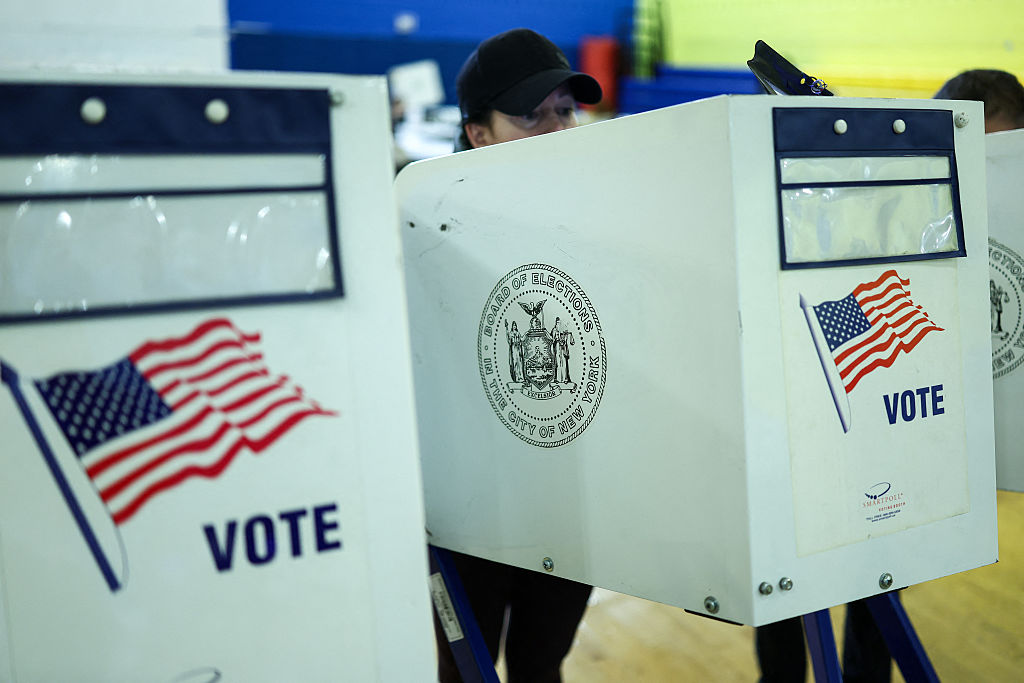
New York City is casting its votes in one of the most consequential mayoral elections in recent memory — a contest that has drawn intense interest across the United States. With millions of residents heading to the polls, this high-stakes race could shape not only the city’s future but also set the tone for urban politics nationwide.
At the heart of the battle are three major contenders, each representing a distinct vision for America’s largest city. Zohran Mamdani, the progressive Democratic nominee, has surged ahead in polls with a campaign centered on affordable housing, economic equity, and public transit reform. Andrew Cuomo, the governor making a political comeback as an independent, has positioned himself as a centrist voice promising pragmatic leadership. On the other side, Curtis Sliwa, the Republican candidate and founder of the Guardian Angels, is rallying voters around issues of crime reduction and restoring public order.
The political diversity of the field reflects New York’s dynamic — and divided — electorate. Progressives see Mamdani as the face of generational change and grassroots reform. Cuomo’s supporters, meanwhile, view him as a stabilizing force with the experience to navigate economic recovery. Sliwa’s campaign has tapped into growing concerns over safety and quality of life, resonating with outer-borough residents frustrated by city bureaucracy.
Turnout has been record-breaking. Election officials report over two million ballots cast, making this the city’s highest mayoral voter participation in decades. Early voting centers saw long lines, and mail-in ballots poured in ahead of Election Day — a sign of just how much is at stake.
Political analysts say the national spotlight on New York’s mayoral race is no surprise. As one of the world’s most influential cities, its leadership often mirrors broader social and political trends. A victory for Mamdani could signal the rise of progressive urban politics nationwide. A Cuomo win might represent a comeback of centrism in Democratic strongholds. And a strong showing by Sliwa would highlight how law-and-order rhetoric continues to resonate in big cities grappling with post-pandemic realities.
Beyond policy, the race has become symbolic — a reflection of deeper questions about power, accountability, and the future of American cities. The outcome will influence debates on housing, climate adaptation, police reform, and economic inequality for years to come.
As results begin to roll in, tension runs high across New York. In boroughs from Queens to Brooklyn, campaign volunteers are glued to their screens, waiting to see who will take the helm of a city that never sleeps.
No matter who wins, one thing is clear: this election marks a defining moment for New York — and the entire nation is watching.
Watch video below :