

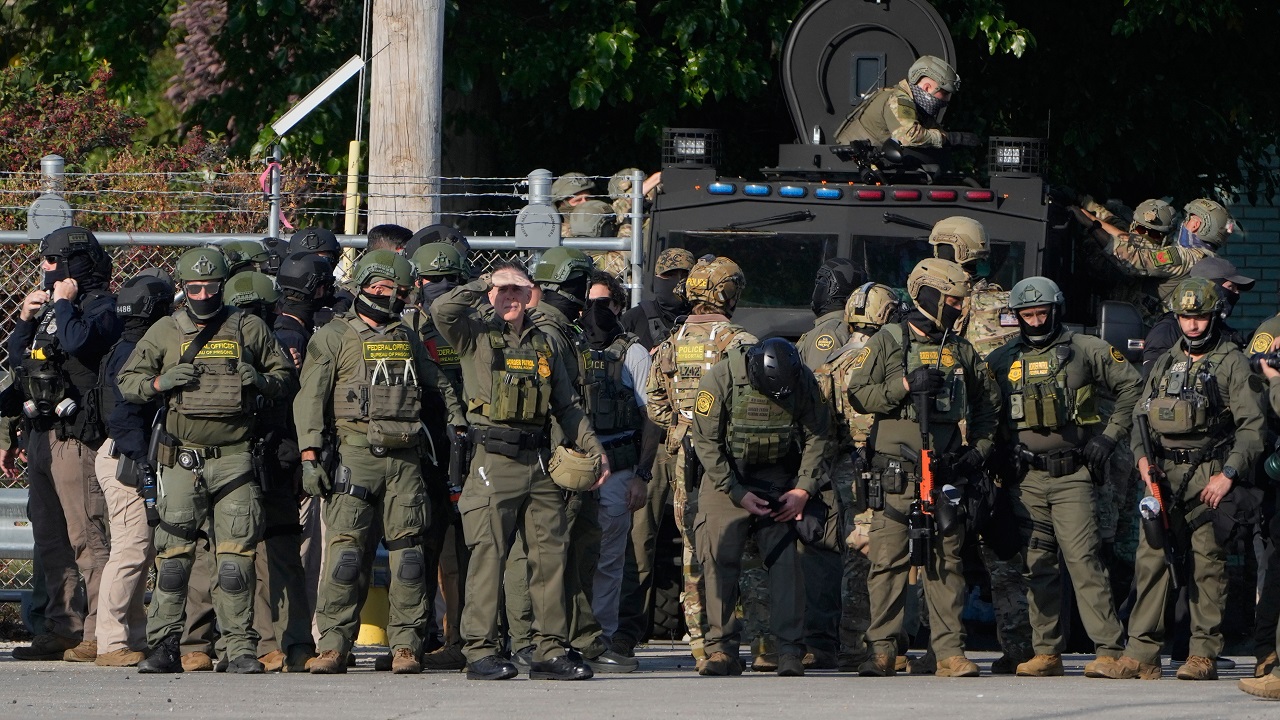
Tensions continue to rise in Illinois as Governor J.B. Pritzker accuses the Trump administration of overstepping its authority by federalizing the Illinois National Guard amid escalating anti-ICE protests in Broadview. The move, which places 300 state troops under federal command, has ignited a fierce political and constitutional battle over control, civil rights, and the limits of presidential power.
According to the governor, the White House issued what he described as an “ultimatum,” demanding that Illinois activate its National Guard to support federal operations or face a direct federal takeover. Pritzker denounced the action as “un-American and unconstitutional,” insisting that the state is fully capable of handling local security through its own law enforcement agencies.
The federalization order, confirmed by Homeland Security officials, comes as protests outside the Broadview ICE facility enter their fourth consecutive day. Demonstrators have clashed with federal agents after reports of tear gas, pepper balls, and violent detentions used against crowds opposing Operation Midway Blitz — a federal initiative targeting undocumented immigrants in the Midwest.
Earlier this week, the situation escalated further when a Border Patrol agent shot a woman in Chicago’s Brighton Park neighborhood. Federal authorities claim the woman was armed, while eyewitnesses dispute the account. The shooting has intensified public anger and drawn national attention to the government’s aggressive immigration enforcement tactics.
Governor Pritzker vowed not to cooperate with what he called “Trump’s political theater,” arguing that deploying Illinois troops for federal immigration crackdowns is an abuse of power. “Illinois will not be bullied,” he declared in a press conference. “We will defend our people and our Constitution from unlawful overreach.”
Legal experts warn that this confrontation could test the boundaries of federal authority. Once federalized, the Illinois National Guard operates under Title 10 of U.S. law, transferring control from the governor to the president. This shift restricts the troops’ ability to perform domestic law enforcement tasks, raising questions about the real purpose behind the deployment.
Civil rights groups, including the ACLU and Human Rights Watch, have condemned the federal response as “militarized suppression of dissent.” They argue that chemical weapons and live ammunition have no place in civilian protests. Meanwhile, Chicago’s mayor and local officials have joined Pritzker in demanding an independent investigation into the use of force at Broadview and Brighton Park.
The Trump administration, however, defends the decision as a necessary step to restore order and protect federal property. Homeland Security Secretary Kristi Noem stated, “Federal personnel will not be intimidated by chaos or political games.”
As the Broadview protests continue and federal troops arrive, Illinois has become the epicenter of a national debate over state sovereignty, immigration policy, and the limits of executive power. What began as a protest against deportations has transformed into a defining struggle over the future of American democracy.
Watch video below :


