

Grand Blanc Township, Michigan — Investigators are piecing together the troubling history of Thomas Jacob Sanford, the 40-year-old former Marine who launched a deadly assault on a Michigan church this week. Friends and acquaintances say Sanford carried a deep and long-standing animosity toward the Church of Jesus Christ of Latter-day Saints (LDS), rooted in personal grievances that may have fueled Sunday’s tragedy.
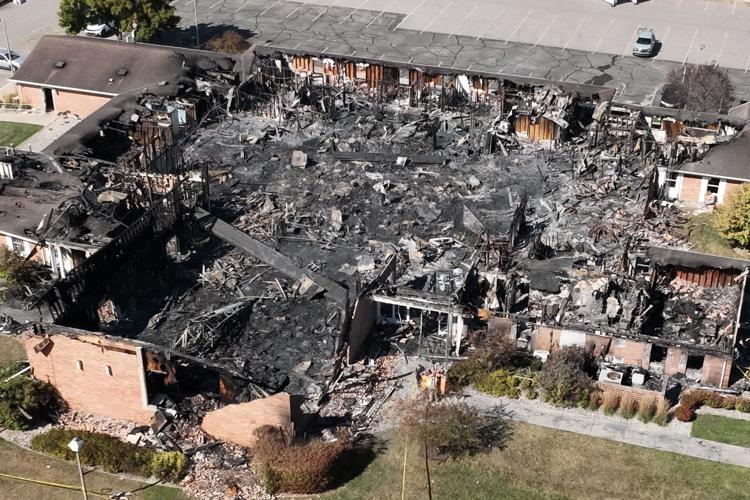
Authorities say Sanford drove his pickup truck into a Mormon chapel during a service, opened fire, and then set the building on fire. Police fatally shot him at the scene. The attack left four worshippers dead and eight others injured, sparking grief and shock in the local community.
Friends recall that Sanford was once outgoing, even known as a class clown during high school. But after serving in Iraq as a Marine between 2004 and 2008, he returned to civilian life a changed man. Following a failed relationship with a Mormon woman during his years in Utah, his hostility toward the LDS Church hardened.
According to those close to him, Sanford’s resentment often surfaced in casual settings. At bonfires or social gatherings, he would launch into tirades against Mormons, calling them “the antichrist” and questioning their place in American society. In recent weeks, his fixation became even more apparent. One local political candidate reported that Sanford had approached him during canvassing to ask his views on Mormons — a conversation that quickly escalated into an angry denunciation of the faith.
Compounding these issues, Sanford reportedly struggled with substance abuse, including methamphetamines, and faced significant personal stress. Friends say these factors only deepened his bitterness and fueled increasingly erratic behavior. Yet few imagined his grievances would erupt into violence.
White House Press Secretary Karoline Leavitt, citing FBI Director Kash Patel, confirmed that Sanford’s anti-Mormon hostility is central to the ongoing investigation. “We are treating this as a targeted act of violence against a specific faith community,” she said, noting that federal authorities are examining both motive and potential signs of premeditation.
The attack devastated the congregation. Survivors described scenes of chaos as worshippers scrambled for safety amid gunfire and smoke. Fire crews battled the blaze for hours, but the building sustained severe damage. Local officials warned that recovery would take time, both physically and emotionally.
Community leaders have since called for unity and resilience. Representatives from multiple faiths gathered Monday night for a vigil, emphasizing solidarity and condemning religious hatred in all forms. “A house of worship should never be a target,” said one local pastor. “This is a wound on the entire community.”
As investigators continue their work, broader questions remain. How did Sanford’s personal resentments spiral into deadly violence? Could earlier intervention — whether through law enforcement, mental health services, or community outreach — have changed the outcome?
For now, the Michigan church attack stands as a chilling reminder of how private hatred can metastasize into public tragedy, leaving behind grief, loss, and urgent calls for prevention.
Watch video below :


