

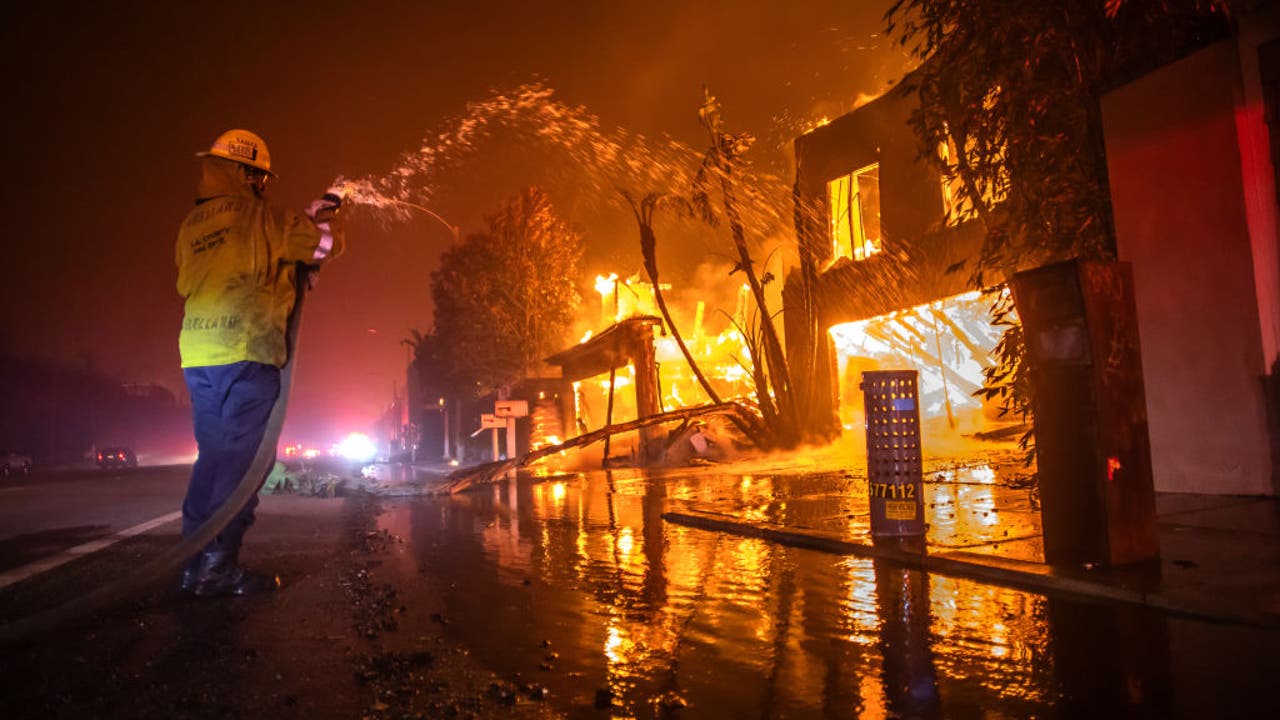
A newly released after-action report has exposed serious flaws in Los Angeles County’s emergency response during the catastrophic Eaton and Palisades wildfires in January 2025. The independent review, conducted by the McChrystal Group, concluded that resource shortages, limited training, and outdated alert systems significantly slowed evacuation warnings—contributing to the devastating loss of life.
Deadly Fires and Delayed Alerts
The January wildfires tore through neighborhoods in Altadena and Pacific Palisades, killing more than 30 people and destroying thousands of homes. Residents reported receiving little or no warning before flames reached their communities. The report confirms that evacuation alerts often arrived too late, leaving people scrambling to flee under dangerous conditions.
Core Problems Identified
The investigation found multiple systemic failures:
-
Staff shortages: The County’s Office of Emergency Management (OEM) and Sheriff’s Department were critically understaffed. On a pivotal day, a senior OEM official was out of town, forcing less experienced staff to make urgent decisions.
-
Limited training with new software: LA County had recently adopted a new alert platform from vendor Genasys, but only four employees were trained to operate it when the fires erupted.
-
Outdated policies: Evacuation orders required approval from multiple agencies—including the Fire Department, Sheriff’s Department, and OEM—creating a bureaucratic bottleneck that slowed alerts.
-
Communication breakdowns: Power outages, cell service failures, and poor information flow between agencies hindered coordination on the ground.
How Long Did Warnings Take?
Under the older system, it could take 30–60 minutes to issue evacuation notices. Even with the upgraded system, warnings often required 20–30 minutes before reaching residents—far too slow for fires spreading at explosive speeds. By the time alerts went out, entire neighborhoods were already burning, leaving many residents trapped.
First Responders Praised, System Criticized
Despite the systemic failures, firefighters, sheriff’s deputies, and emergency crews were praised for their heroic efforts, evacuating nursing homes, saving lives, and battling flames under extreme conditions. The report emphasizes that the fault lies not with frontline responders but with structural weaknesses in LA County’s disaster management.
Call for Urgent Reforms
The 133-page review urges county leaders to:
-
Expand staffing and training for emergency management.
-
Streamline evacuation alert protocols.
-
Invest in more resilient communication systems.
-
Improve outreach to vulnerable populations, including seniors and residents without digital access.
What Comes Next
The Los Angeles County Board of Supervisors is expected to use the findings to overhaul its disaster response framework. Officials stress that the report is not about placing blame but about learning lessons to restore public trust and ensure residents are protected in future disasters.
As climate change continues to intensify California’s wildfire season, experts warn that faster evacuation alerts and stronger coordination will be critical to saving lives. The tragedy of January 2025 serves as a stark reminder: in wildfire emergencies, every minute counts.
Watch video below :
:max_bytes(150000):strip_icc():focal(749x0:751x2)/Karoline-Leavitt-Expecting-Baby-No-2-122625-3ee9c9c5c0004741808a746cca98b9b2.jpg?w=350&resize=350,220&ssl=1 "White House Press Secretary Karoline Leavitt Announces Pregnancy, Expecting Baby Girl")





:max_bytes(150000):strip_icc():focal(749x0:751x2)/Karoline-Leavitt-Expecting-Baby-No-2-122625-3ee9c9c5c0004741808a746cca98b9b2.jpg?w=180&resize=180,130&ssl=1 "White House Press Secretary Karoline Leavitt Announces Pregnancy, Expecting Baby Girl")